
We Need to Save Our Riparian Zones Before They Disappear!
We Need to Save Our Riparian Zones Before They Disappear!

Felix Owiti
There was a time when the rivers that cut across our land were more than just channels of flowing water. Rivers such as River Awach, River Ndemra, River Kisian, River Audhwe, and River Magada were living ecosystems, deeply woven into the identity and survival of our people. Children swam in some of these rivers freely. Our mothers and grandmothers fetched clean water with confidence. Children proudly carried simple fishing rods to Rivers Awach and Magada to catch a small fish locally known as “Adel.” Elders sat under the shade of indigenous trees growing naturally along riverbanks and spoke proudly of rivers that nourished both man and nature alike. Today, however, that story is slowly fading before our eyes.
One elderly resident recently recalled how River Ndemra once flowed calmly through a rich green corridor of trees and shrubs. According to him, the river was not as deep as it is now. In those days, the surrounding vegetation held the soil firmly together, slowing down erosion and protecting the riverbanks from collapsing. Fish thrived in the waters, birds nested along the riparian zones, and even during dry seasons, the river retained enough water to support life downstream. Sadly, what remains today is a river under immense pressure. Erosion has widened and deepened the river channel, and uncontrolled human activities are steadily destroying the ecological balance that once sustained the area.
Riparian zones are the strips of land found along rivers, streams, and wetlands. Although they may appear ordinary to some people, they are among the most important ecological systems in the world. Environmental scientists describe riparian zones as nature’s protective shield for rivers because they regulate water flow, prevent soil erosion, filter pollutants, recharge groundwater, and provide habitat for fish and wildlife. Without healthy riparian zones, rivers lose their ability to sustain life, and communities become increasingly vulnerable to water shortages, flooding, and environmental degradation.
Unfortunately, this is precisely what is happening in many of our local rivers today. River Ndemra, for example, is increasingly suffering from severe erosion that threatens to “eat away” at some of our roads and crossing paths. The deepening of the river channel is not merely a natural occurrence; it is a warning sign of ecological imbalance. When naturally growing trees and vegetation are removed from riverbanks, the soil becomes loose and vulnerable to being carried away by running water. Every rainy season then accelerates the destruction further. As the riverbanks collapse, sediments are deposited downstream, affecting water quality and aquatic habitats. Over time, rivers become unstable, dangerous, and less capable of supporting both human and ecological needs.
At the same time, sand harvesting in rivers such as Magada and Ndemra has become rampant. While many families engage in sand harvesting as a source of livelihood due to unemployment and economic hardship, the long-term environmental cost cannot be ignored. Sand is not simply loose material lying idle in rivers; it plays a critical role in maintaining the structure and stability of river ecosystems. Excessive and uncontrolled extraction destabilizes riverbeds, increases erosion, lowers water tables, and destroys habitats for aquatic organisms. In many parts of the world, scientists have linked unsustainable sand harvesting to disappearing rivers, collapsing bridges, and worsening floods.
Another painful reality is the disappearance of fish from our rivers. Elders consistently remind us that rivers such as River Awach, Magada, and Ndemra once carried fish in abundance. This is not folklore or exaggeration; it reflects a healthier ecological past. Fish populations decline when rivers become polluted, overheated, or deprived of oxygen. The cutting of trees along riverbanks exposes rivers directly to intense sunlight, increasing water temperatures and affecting aquatic life. Pollution from human waste, detergents and soaps used during washing and bathing, and sediments from erosion further degrade water quality. When people bathe and wash directly in rivers, chemicals and waste enter the ecosystem, disrupting delicate biological processes. Gradually, aquatic species disappear, and with them disappears part of our environmental heritage.
Despite the danger lurking, these conversations should not be approached with condemnation alone. Communities harvest sand because they are trying to survive. Young people burn charcoal because economic opportunities are limited. Families depend on river resources because alternatives are scarce. Therefore, the solution is not merely to ban activities harshly without offering practical alternatives. Instead, sustainable environmental management must go hand in hand with economic empowerment. Communities can be trained on regulated sand harvesting practices where extraction is limited to designated zones, monitored carefully, and balanced with restoration efforts. Tree nurseries can provide employment while simultaneously restoring degraded riverbanks. Youth groups can be supported to engage in eco-friendly businesses such as fish farming, beekeeping, agroforestry, and climate-smart agriculture. Environmental protection and economic survival must work together rather than against each other.
The problems afflicting our rivers are further exacerbated by population growth, which has intensified these pressures significantly. More people now depend on the same rivers for water, farming, and domestic use. Unfortunately, enforcement of environmental regulations has not kept pace with this growing demand. Encroachment into riparian zones continues largely unchecked. Trees growing naturally in riparian zones are harvested for charcoal burning despite the obvious damage to river ecosystems. This begs the question: What do we expect when our rivers are treated less as living ecosystems and more as open-access resources that anyone can exploit without responsibility?
The consequences extend far beyond environmental concerns alone. When riparian zones are destroyed, local flooding risks increase dramatically because rivers lose their natural buffers. Water quality declines, increasing the likelihood of waterborne diseases. Women and children are forced to walk longer distances in search of clean water. Farmers experience reduced soil fertility as erosion strips away productive land. Eventually, the economic burden of environmental destruction becomes heavier than the temporary gains obtained from unsustainable exploitation.
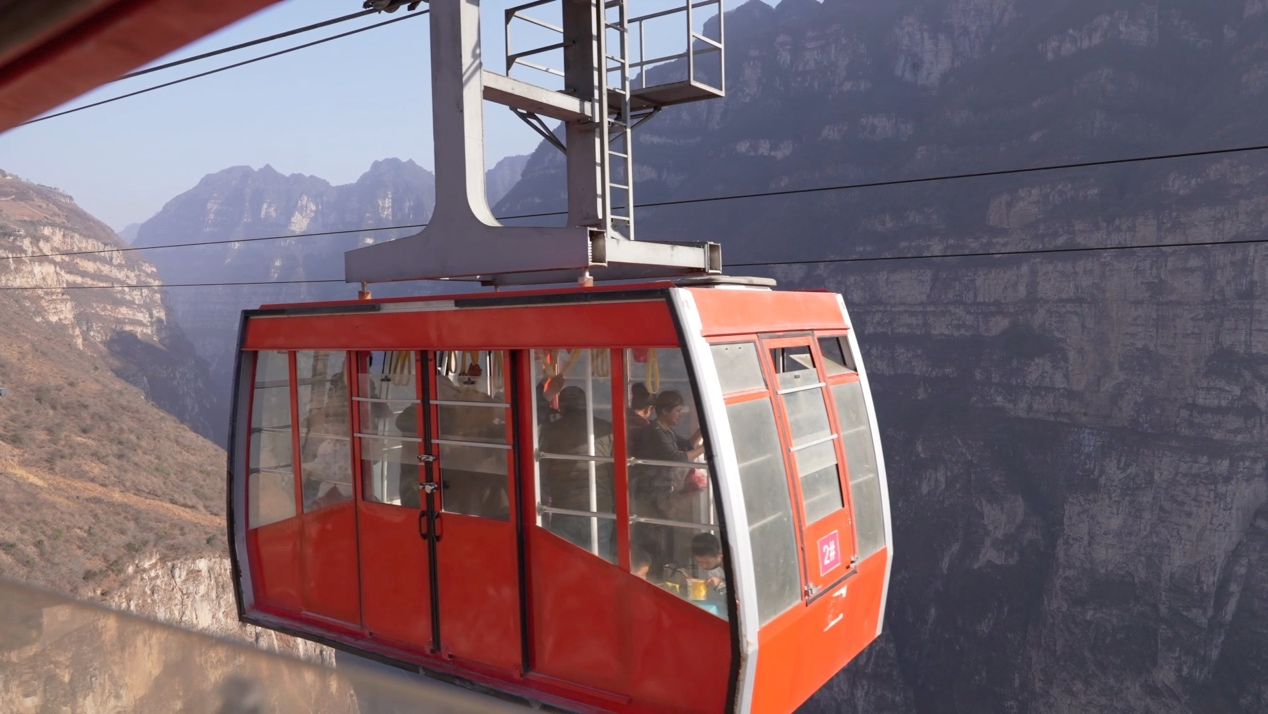
As a result of continued erosion due to inaction, we should be prepared for a future where we are forced to construct expensive bridges or even rely on cable cars and zipline-like crossings to move from one side of a river to the other. The internet is filled with documentaries of remote villages in Sichuan Province, China, particularly along the Nu River (Salween), where communities have had to depend on high-capacity suspension bridges and cable cars to cross deep river gorges, including areas such as Guli Village, due to extreme geographical isolation created by the river. While these examples may appear distant, they serve as a stark warning: what is now happening in our riparian zones could gradually push us toward similar extreme adaptations if we fail to act decisively.
There is, however, still hope if action is taken urgently and collectively. Restoring riparian zones is possible. Indigenous trees can be replanted along degraded riverbanks. Communities can establish protected buffer zones where farming, grazing, and construction are prohibited near rivers. Environmental education can help residents understand that rivers are not infinite resources but fragile systems that require stewardship. Schools, churches, youth groups, elders, local leaders, and environmental agencies must work together in rebuilding a culture of conservation.
One powerful lesson from environmental science is that ecosystems recover when human beings choose restoration over destruction. Around the world, rivers such as the Whanganui River in New Zealand, which were once polluted and degraded, have been revived through government and community-driven conservation efforts. This means our rivers, too, can recover if we decide that their survival matters. Imagine our rivers flowing once again through green riverbanks stabilized by naturally growing trees. Imagine River Awach supporting fish populations again. Imagine children growing up beside clean rivers instead of polluted and deep river channels. Such a future is still achievable, but only if we act now.
Ultimately, the fate of our riparian zones is tied directly to the future of our communities. Water is life, and rivers are among the most precious gifts any society can possess. If we continue allowing erosion, uncontrolled sand harvesting, pollution, deforestation, and encroachment to destroy these ecosystems, we risk handing future generations a dry and damaged landscape. However, if we choose conservation, sustainable livelihoods, and responsible stewardship, we can preserve these rivers for generations yet unborn.
The question before us is therefore not whether our riparian zones are important. The real question is whether we are willing to save them before they disappear entirely!